




Short answer: An embroidery dupatta is the easiest way to make a plain suit festive. Pick the style by occasion: chikankari for daytime, phulkari for weddings and Lohri, mirror work for mehendi and Navratri, gota for pujas, kantha for everyday. Keep the rule simple: heavy dupatta, plain suit.
Searches for "embroidery dupatta" in India rose 60% between 2021 and 2026 (Google Trends). We stitch the same techniques at our Bulandshahr studio on shirts and tees, so we spend a lot of time explaining how they behave on a long piece of cloth.
Which dupatta for which occasion
| Style | Looks like | Wear it for |
|---|---|---|
| Phulkari | Bright silk floss, geometric flowers | Weddings, Lohri, Baisakhi |
| Chikankari | White on pastel, soft shadow work | Office, summer days, brunch |
| Mirror work | Small mirrors in thread rings | Mehendi, Navratri, Garba |
| Gota patti | Gold ribbon appliqué | Pujas, Teej, Karva Chauth |
| Kantha | Rows of running stitch | Everyday, travel |
| Aari or zari | Fine chain stitch, metallic thread | Receptions, sangeet |
Where the embroidery sits (tap each)
Border only
Work along the two long edges, sometimes the short ends too. The most versatile. It frames your face when draped over one shoulder.
Buti all over
Small scattered motifs across the whole cloth. Light enough for daywear, rich enough for a dinner.
Heavy pallu
Dense work on the two ends that hang down. The show piece for weddings. Drape so the pallu falls in front.
Bagh (fully covered)
In phulkari, a bagh covers the cloth completely with embroidery. Heirloom pieces, often handed down.
Pairing rules
- Heavy dupatta, plain suit. If both are busy, nothing stands out.
- Pick one colour from the dupatta and match the suit to it.
- Match the metal. Gold gota with gold jewellery, silver mirrors with oxidised silver.
- Mind the weight. A heavy dupatta on a thin georgette suit pulls the neckline. Pin it.
Watch: a hand stitched needle lace border
Video: Shagufta Fyms, over 2 million views. A classic dupatta edge you can make with just a needle.
More border ideas in simple embroidery designs, and lace edges in embroidery lace.
Hand or machine?
Turn the border over. Hand work shows small knots and slightly uneven stitch lengths. Machine work shows a white bobbin line and every motif identical. Gota and mirrors that are glued rather than stitched will lift within a few washes. Full checklist: how to avoid fake handmade clothing.
Care
- Hand wash cold, separately. Phulkari and dyed silks can bleed.
- Never wring. Roll in a towel and dry in the shade.
- Gota, zari and mirror pieces: dry clean, or spot clean only.
- Store folded in muslin, refolding along different lines every few months so the work does not crease permanently.
The same handwork, on a shirt
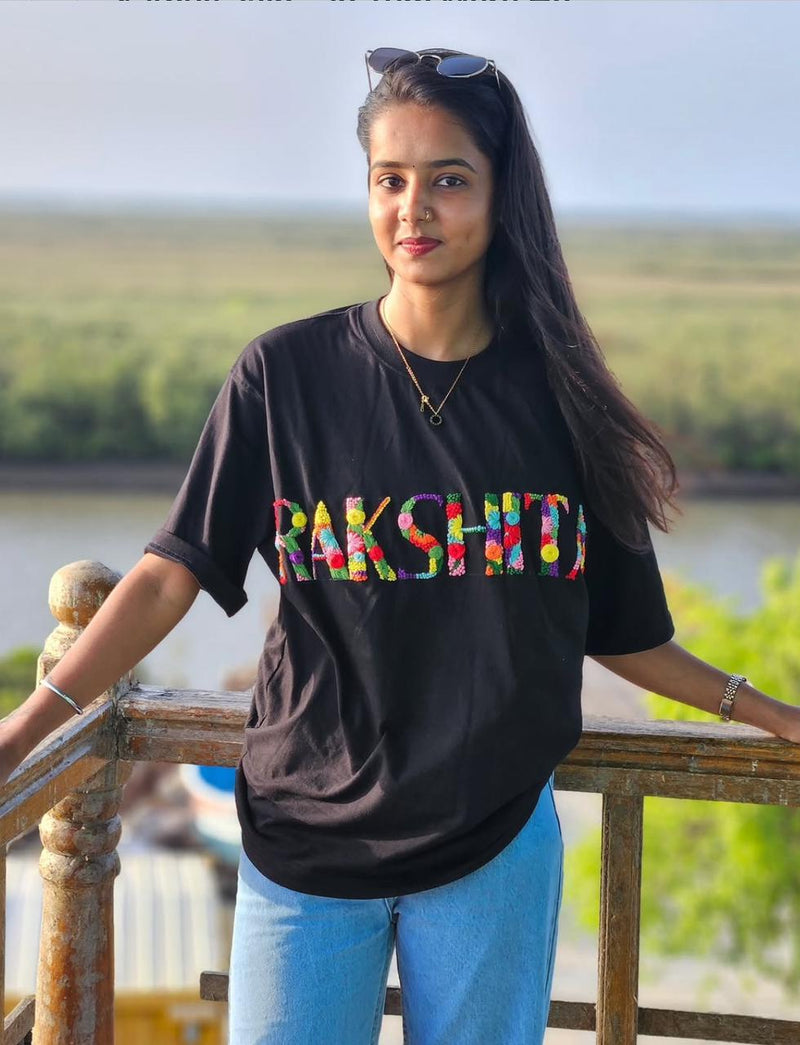
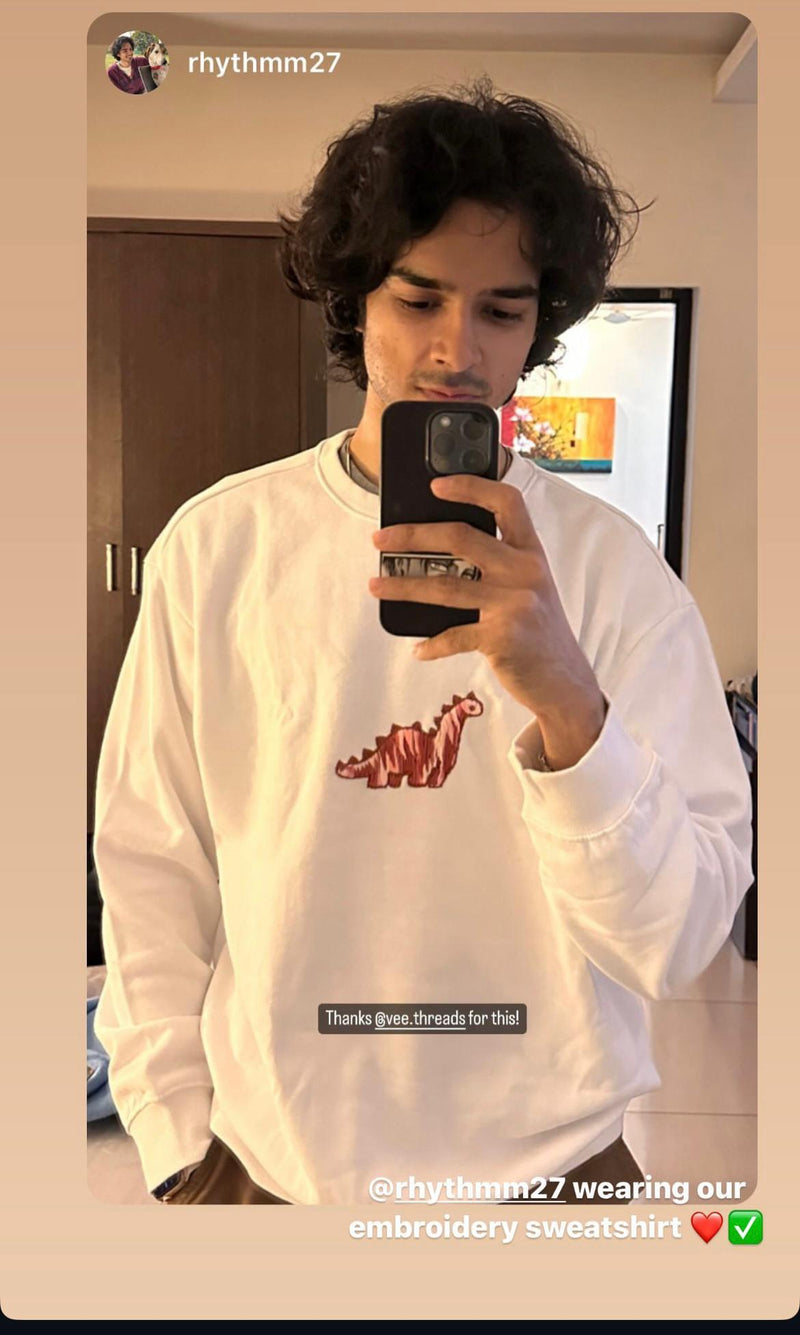
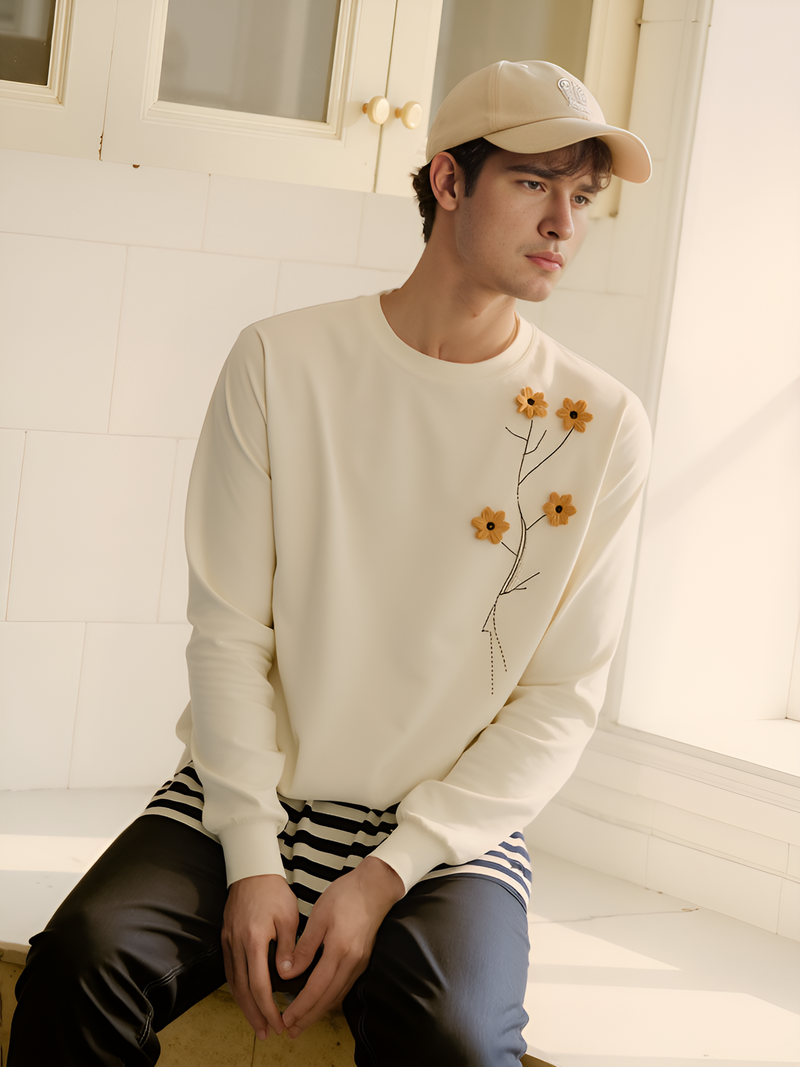
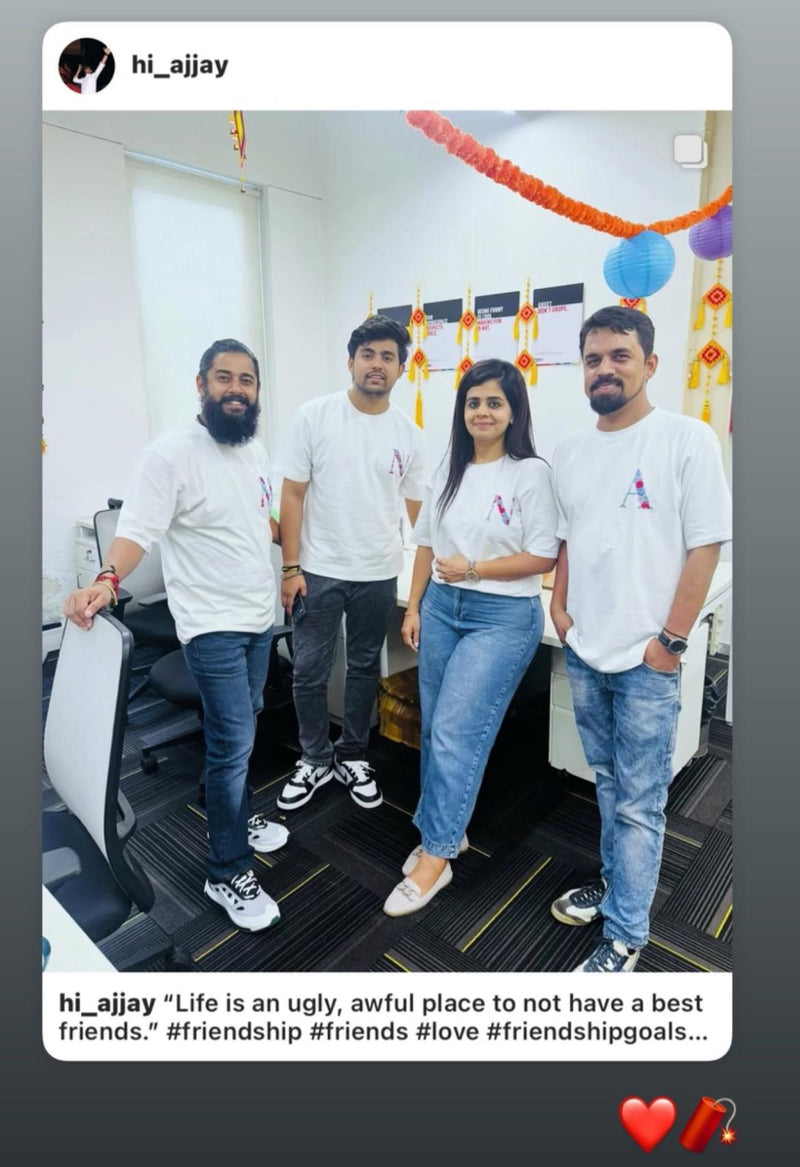
We do not make dupattas. We put the same mirror and thread work on shirts you can wear without the full set.


See mirror work shirts and embroidered tops for women.
Questions
Which dupatta suits a plain white suit?
Almost any. Phulkari for colour, chikankari for a tonal look, mirror work for festive evenings.
Can I wash an embroidered dupatta at home?
Thread work, yes: cold water, by hand. Zari, gota and mirror work are safer dry cleaned.
Written by the Vee Threads studio team in Bulandshahr, where women artisans have hand stitched more than 5,000 orders.







Share and get 15% off!
Simply share this product on one of the following social networks and you will unlock 15% off!